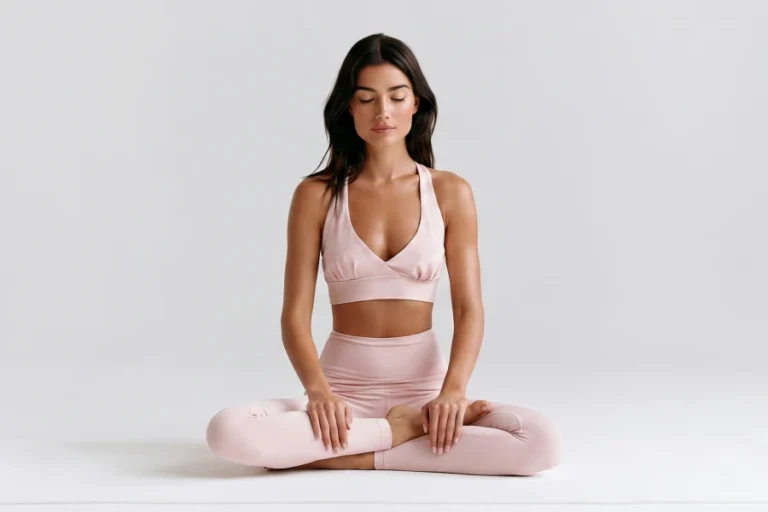
Restorative yoga practice creates space to slow down without turning rest into another goal to achieve. Supported positions, longer pauses, soft blankets, cushions, and a quieter environment can help make the evening feel less rushed. The practice is not about deep stretching or demanding movement. It is about allowing the body to settle into shapes that feel comfortable and supported. The Restorative Yoga Method helps make this kind of gentle practice easier to bring into everyday life.
Choose Support Before Intensity
Support is central to restorative yoga. A pillow beneath the knees, a folded blanket under the hips, or a cushion behind the back can help a position feel more comfortable. The aim is not to hold a shape through effort. It is to create enough support that the body can rest without working to stay there. Small adjustments can make a significant difference in how the practice feels.
Use Fewer Positions for Longer Pauses
A restorative practice does not need many poses to feel complete. Two or three comfortable positions can create a meaningful evening ritual. You might recline with support beneath the knees, rest with the legs elevated on a chair, or sit in a supported forward fold. The Restorative Yoga Method helps make stillness part of the practice instead of treating it as empty time between movements.
Let the Breath Stay Natural
There is no need to force a specific breathing pattern while resting. Notice whether the breath changes when the body feels supported. You may find that the exhale becomes slower on its own, or that the shoulders begin to soften. The practice can simply offer attention a quiet place to return to. Let the breath be observed rather than managed.
Lower the Level of Stimulation
A calmer environment can help mark the difference between the active part of the day and a quieter evening. Lower the lights, set the phone out of reach, choose soft clothing, and use a blanket if it feels comforting. These details do not need to be elaborate. They simply make it easier to stay with the practice without adding more information or demands.
Respect What Feels Comfortable
Restorative yoga should never require you to stay in a position that causes pain, numbness, or strain. Add support, reduce the shape, or choose a different option whenever needed. Every body responds differently, and comfort is more important than following a pose exactly. The Restorative Yoga Method supports a flexible approach built around what feels genuinely sustainable.
Close the Day With More Ease
A few supported positions can become a quiet way to step out of the day’s faster pace. Keep the practice simple and easy to return to. For a bedtime sequence, read the Yoga Before Bed article. For a breathing-based transition, continue with the 4-7-8 Breathing Practice article. The Restorative Yoga Method helps create more room for stillness at the end of the day.