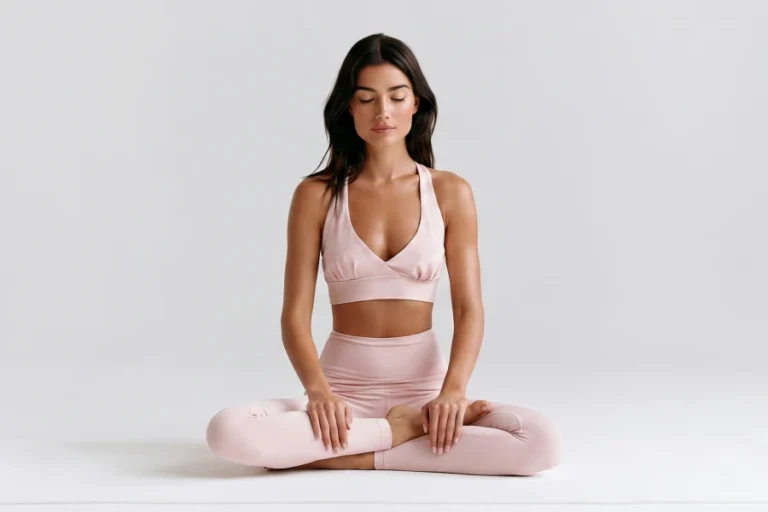
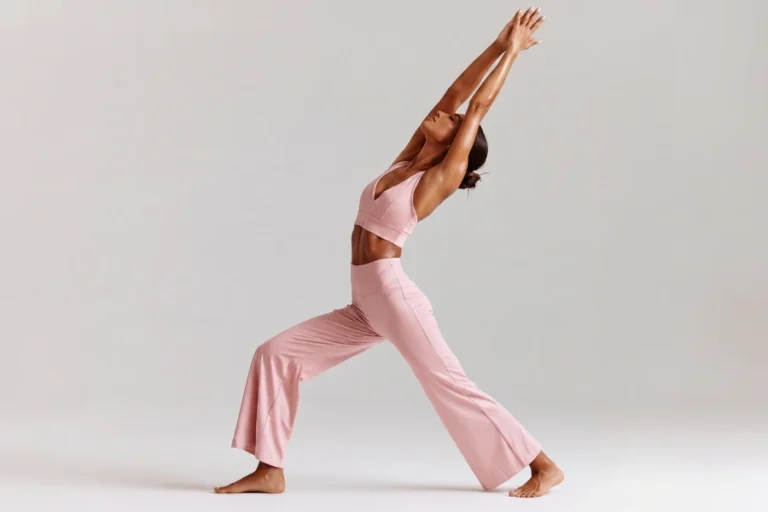
Slow practice is not about making every part of life slower. It is about choosing a few moments where attention can catch up with the body. Many routines become automatic: opening emails, drinking coffee, preparing food, walking between tasks, or getting ready to leave home. A little more awareness inside these ordinary moments can make the day feel less fragmented. The Slow Practice Masterclass helps create simple rituals that bring more steadiness into a full routine.
Choose One Moment to Slow Down
You do not need to redesign the whole day at once. Choose one moment that often feels rushed, such as the first few minutes after waking, the transition after work, or the pause before a meal. Then make one small change. Put the phone aside, sit before eating, take one breath before replying, or complete one task before beginning another. Small changes are easier to keep.
Let One Task Be Enough
Multitasking can make even quiet activities feel scattered. Slow practice invites you to give one activity more complete attention for a short period. Drink tea without scrolling. Fold laundry without opening another tab. Stretch without planning the next hour. The purpose is not perfect concentration. It is simply to create moments where the body and attention are doing the same thing.
Use Repetition as an Anchor
Rituals become useful because they repeat. A familiar stretch in the morning, a few breaths before opening a laptop, or a short walk after lunch can become a steady cue. The Slow Practice Masterclass helps identify small routines that can become personal anchors without needing a major schedule change.
Notice Rest Without Turning It Into Avoidance
Slowing down does not always mean avoiding what needs attention. A short pause can help you return to the next task with more clarity. Ask whether the pause makes the next step feel more grounded or whether it only delays it. Intentional rest can support action when it is chosen with awareness rather than used to escape every demand.
Let Ordinary Activities Become Practice
Slow practice can happen while washing dishes, applying skincare, preparing a meal, watering plants, or getting dressed. Notice one sensory detail: warm water, fabric texture, a familiar scent, a sound outside, or the feeling of the feet against the floor. The Slow Practice Masterclass helps make these ordinary moments feel more inhabited without making them overly formal.
Create More Room Inside the Routine
Slow practice can help daily life feel less like a sequence of tasks to survive and more like a series of moments you can actually enter. For a gentle moving ritual, read the Morning Yoga Flow article. For mindful movement principles, continue with the Classical Pilates Movement article. The Slow Practice Masterclass helps create a steadier pace without asking you to do less with your life.